
REGISTRATION
This website is for consumers, retailers and for wholesalers. Retailers and Wholesalers must register first. Your registration will be processed by the agent in charge of your country, who may contact you for that purpose. After confirmation you have access to all information.
You will find the agent in charge of your country here.
FREIGHT CHARGES & FREE SHIPPING
Your order will be processed, shipped and invoiced by the representative in charge for your country. An overview of shipping cost for each country can be opened here.
Contact details and mail address of your representative will be mentioned in the order confirmation or can be found here. No deliveries outside the listed countries.
Your order will be processed, shipped and invoiced by the representative in charge for your country. An overview of shipping cost for each country can be opened here.
Contact details and mail address of your representative will be mentioned in the order confirmation or can be found here. No deliveries outside the listed countries.
Preventing & Understanding Skin Aging
13 April 2026
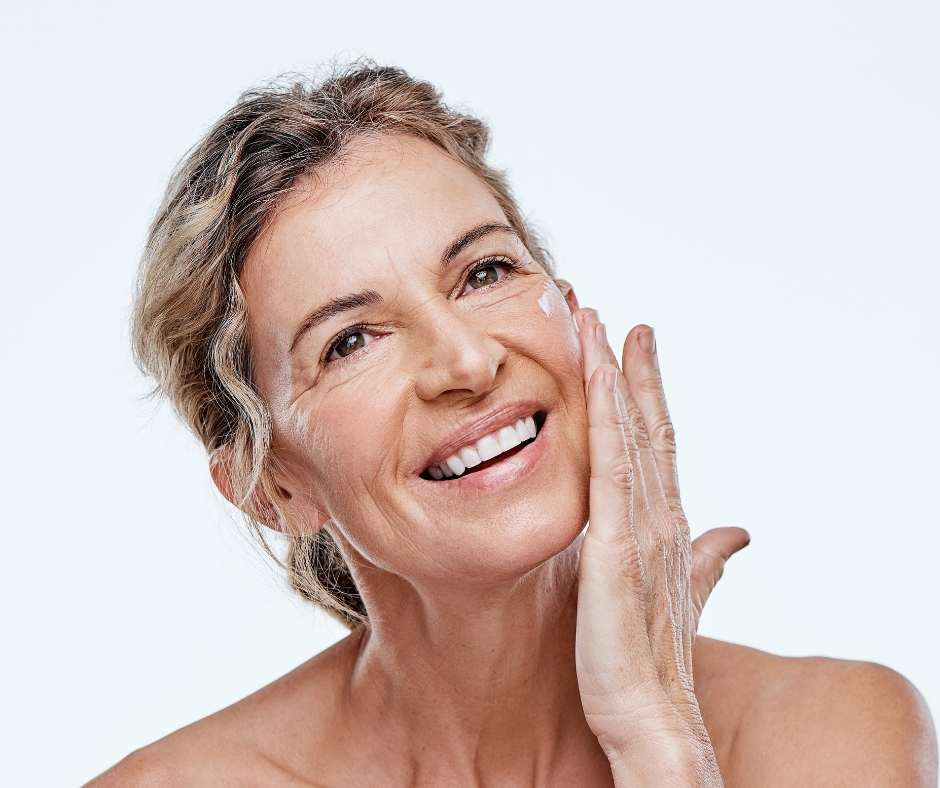
Skin ageing Face Causes
Preventing and understanding skin ageing, causes, signs and suitable skincare
What skin ageing means and how it develops
Skin ageing is a natural biological process. As we age, cell renewal slows down, the skin produces less collagen, elastin and lipids, and moisture levels also change. As a result, the skin loses elasticity, firmness and resilience. Skin does not suddenly age overnight, it ages gradually across several layers.
The most important facts about skin ageing at a glance Overview
- Skin ageing is a natural process and not a flaw
- intrinsic and extrinsic factors work together to affect the complexion
- visible changes often appear first on the face
- active ingredient skincare can support skin ageing in a targeted way
External and internal skin ageing
In brief
There are essentially two forms, natural, or intrinsic, skin ageing, and extrinsic or premature skin ageing, which is accelerated by external influences. Natural skin ageing develops due to genetic predisposition and the body’s internal development. Premature skin ageing, by contrast, is often encouraged by UV radiation, stress, smoking, alcohol, lack of sleep, air pollution and an unbalanced lifestyle.
intrinsic skin ageing, genetically and biologically determined
extrinsic skin ageing, influenced by UV radiation and lifestyle
visible changes usually result from the interaction of both processes
It is not only facial skin that changes over time
These changes often appear earlier on the face than on other areas of the body, because the skin there is exposed every day to sun, weather, the environment and facial expressions. That is why skin ageing on the face is especially visible for many people, for example in the form of couperose or marionette lines.
Which factors influence skin ageing
The causes of skin ageing are varied. Some are beyond Your control, for example genetics, hormonal changes and the natural decline in collagen fibres and elastin. But there are also skin damaging influences that You can avoid as much as possible. These include in particular the sun, UV radiation, free radicals and an unhealthy lifestyle.
If, for example, You visit a sunbed regularly or enjoy tanning without sun protection, this can affect healthy, youthful skin and speed up the ageing process. Do You tend to forget to remove Your make-up now and then? That too can show up in the health of Your skin. So always remove make-up thoroughly before going to bed.
01 UV radiation
promotes free radicals and is considered one of the strongest drivers of premature skin ageing
02 Free radicals
can place stress on cell structures and affect collagen and skin balance
03 Lifestyle
lack of sleep, stress, smoking and alcohol have a visible effect on the complexion
UV radiation damages healthy skin Key factor
Especially important is the connection between UV radiation and premature skin ageing. Sunlight encourages free radicals, which trigger oxidative stress in the skin. This can attack cell structures, reduce collagen and speed up wrinkle formation even further. That is why sun protection with a high sun protection factor is one of the most effective ways to prevent early skin ageing.
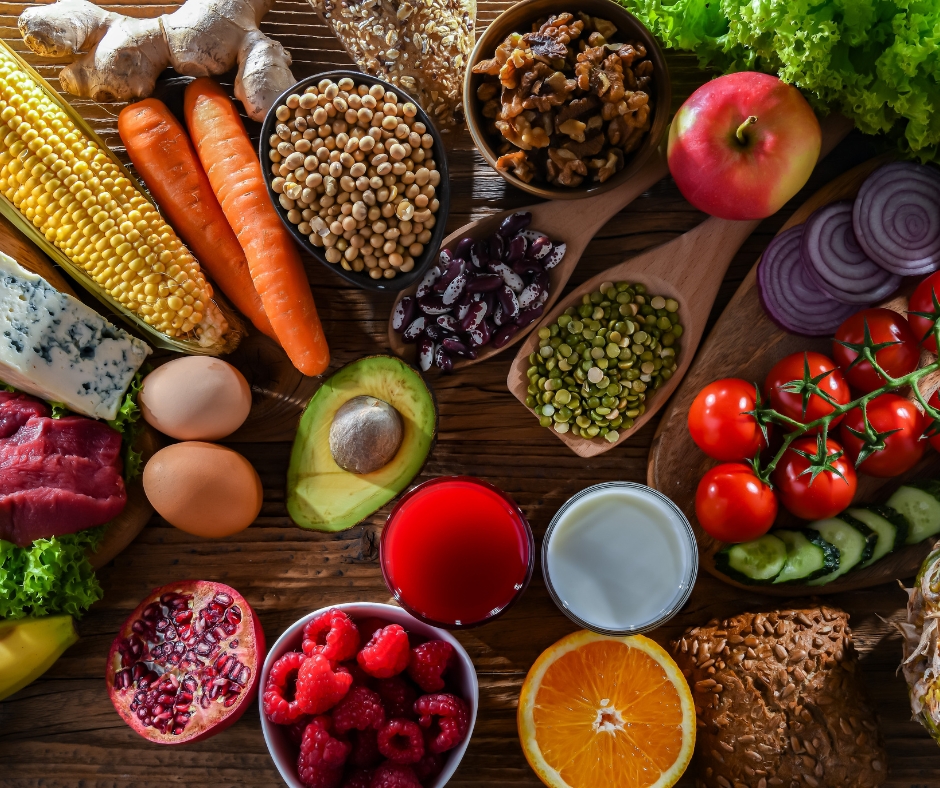
A balanced, healthy diet, important for beautiful skin Lifestyle
Diet, sleep and stress also play a major role. A balanced diet with antioxidant substances, for example foods rich in different vitamins, can support a conscious lifestyle. Too little sleep, frequent stress, smoking and regular alcohol consumption, on the other hand, can make the skin look duller, impair circulation, disturb the skin microbiome and change the skin’s appearance more quickly.
If You want to slow down skin ageing, You should therefore not only focus on high quality facial skincare, but also keep an eye on Your overall lifestyle.
Win-win, a healthy lifestyle is not only essential for Your skin, it also benefits Your hair.
Key takeaway
Anyone who wants to slow skin ageing on the face should always look at skincare, UV protection and lifestyle together.
How to recognise skin ageing in the complexion
The signs of skin ageing do not look the same on every skin type. Some people first notice fine lines and small wrinkles around the eyes, while others experience dryness, tightness or a dull complexion first. Typical signs include:
wrinkles and fine lines
reduced firmness and less elasticity
dry, rougher skin texture
pigmentation marks or hyperpigmentation
an uneven, tired complexion
increased sensitivity and a changed skin condition
Classification
Dry skin in particular can make early changes more noticeable. When the skin becomes drier and is less able to retain moisture, lines often look more pronounced. Itchy or sensitive skin also then needs especially gentle, barrier strengthening care. Even blemish prone skin and combination skin can be affected by premature skin ageing, for example when dryness, blemishes and early wrinkles appear at the same time.
Medical causes also often play a role. Atopic dermatitis or certain allergies can contribute to faster ageing in otherwise normal skin. Diabetic skin also needs specific care.
These active ingredients can help
Targeted active ingredient skincare starts where the skin’s needs begin to change. Instead of relying on superficial anti-ageing promises, the goal is to support the skin with scientifically grounded formulations.
Hyaluron is especially popular because it can give the skin immediate extra moisture. Retinol is one of the best known anti-ageing ingredients because it stimulates regeneration and can refine the complexion. Antioxidants, meanwhile, help protect the skin from radical induced stress caused by the environment and UV radiation.
What role active ingredient skincare plays in skin ageing Cosmeceuticals
Not all skincare works in the same way. Classic skincare often focuses on general care properties, while active ingredient skincare and cosmeceuticals are formulated more specifically, especially for mature and demanding skin. This makes them particularly interesting when You want to support visible changes such as lines, wrinkles, pigmentation marks or reduced elasticity more consciously.
An individual routine through a well designed skincare system Skincare system
The advantage lies in the system, cleansing, serum, cream, eye care and sun protection work together. A good skincare routine does not rely on a single product, but on coordinated steps. This helps protect the skin, care for it and maintain its balance more effectively. It is not about reversing or stopping skin ageing. Serious skincare does not promise miracles. But it can help refine skin texture, improve moisture levels and support skin so that it looks healthier over time.
Cleanser
Serum
Cream
Eye care
Sun protection
Get support, professional treatments for skin ageing Beauty institute
Alongside skincare at home, regular visits to a professional beauty institute can be worthwhile. During a treatment, You benefit not only from high quality, concentrated active ingredients, but also from a great deal of expertise. Our institute finder offers recommendations near You.
Serum, cream or ampoule, which product format makes sense and when
01 Serum
Depending on skin type and needs, different product formats can make sense. A serum is usually lighter in texture and contains concentrated active ingredients. It is suitable when You want to target dryness, fine lines or an uneven complexion.
02 Cream
Creams form the caring foundation. They help lock in moisture, protect the skin barrier and keep the skin supple. This is especially important for dry or sensitive skin.
03 Ampoule
Ampoules can be used as a booster or treatment course when the skin needs more intensive support. For the delicate eye area, an additional dedicated product is worthwhile because the skin there is thinner and fine lines become visible more quickly. During the day, UV protection should always be included as well, ideally as a day cream with SPF or as an additional sun protection product.
How to integrate skincare for skin ageing into Your routine
A sensible routine does not need to be complicated. What matters is that it is used regularly and suits Your skin type.
1
Gentle cleansing
without drying out the skin
2
Active ingredient serum
for example with hyaluron, peptides or retinol
3
Eye care
when needed
4
Cream
to strengthen the skin barrier
5
Sun protection
during the day, always with adequate UV protection
Important
It is important not to combine too many active ingredients at the same time. Sensitive skin in particular often benefits more from a clear, simple routine than from overloading it with products. Thinking long term helps You support visible changes more effectively and maintain the skin’s natural balance.
How to find the right skincare for skin ageing Skincare choice
Not every skin needs the same thing. The key factors are skin type, skin condition, age, lifestyle and the visible needs of Your skin. Dry skin usually needs more lipids and moisture, while sensitive skin tends to need soothing and protective formulations. Mature skin with reduced firmness often benefits from a combination of antioxidants, hyaluron and regeneration supporting ingredients.
It helps to choose products not only by category, but by skin need. A look at an active ingredient glossary, our skin type quiz or systematically structured skincare lines can help You understand and combine the right products more effectively.
Conclusion Skin health
Using high quality skincare to respond to visible skin ageing does not mean working against nature. It means understanding Your own skin better and giving it exactly what it needs at this stage.
Understand skin ageing Build a routine Always factor in UV
Next step
Once You know Your skin type, You can choose active ingredients, textures and skincare steps much more precisely.