REGISTRATION
This website is for consumers, retailers and for wholesalers. Retailers and Wholesalers must register first. Your registration will be processed by the agent in charge of your country, who may contact you for that purpose. After confirmation you have access to all information.
You will find the agent in charge of your country here.
FREIGHT CHARGES & FREE SHIPPING
Your order will be processed, shipped and invoiced by the representative in charge for your country. An overview of shipping cost for each country can be opened here.
Contact details and mail address of your representative will be mentioned in the order confirmation or can be found here. No deliveries outside the listed countries.
Your order will be processed, shipped and invoiced by the representative in charge for your country. An overview of shipping cost for each country can be opened here.
Contact details and mail address of your representative will be mentioned in the order confirmation or can be found here. No deliveries outside the listed countries.
Blemished skin? Four steps to clear skin
05 January 2026
Causes Active ingredients Routine
Blemish-prone skin, 4 steps to a clearer-looking complexion
If blemishes are severely inflamed or you suspect acne, it can be worth speaking to a Kosmetikinstitut, for a professional assessment and a tailored skincare plan.
Blemish-prone skin, causes, skincare and tips for a clearer-looking complexion
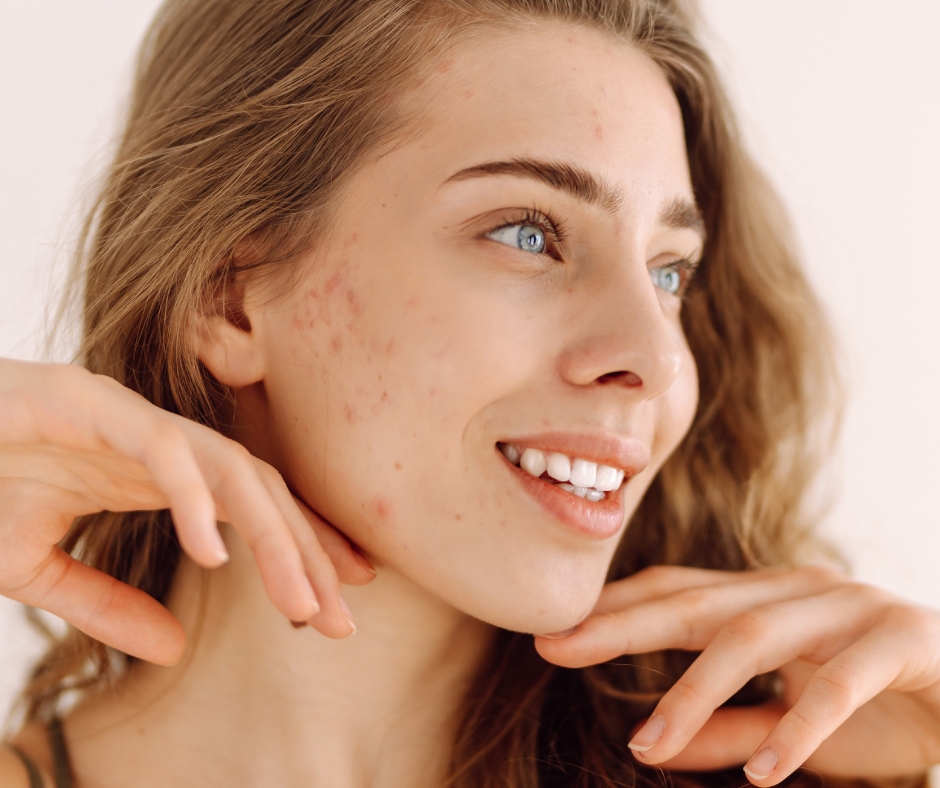
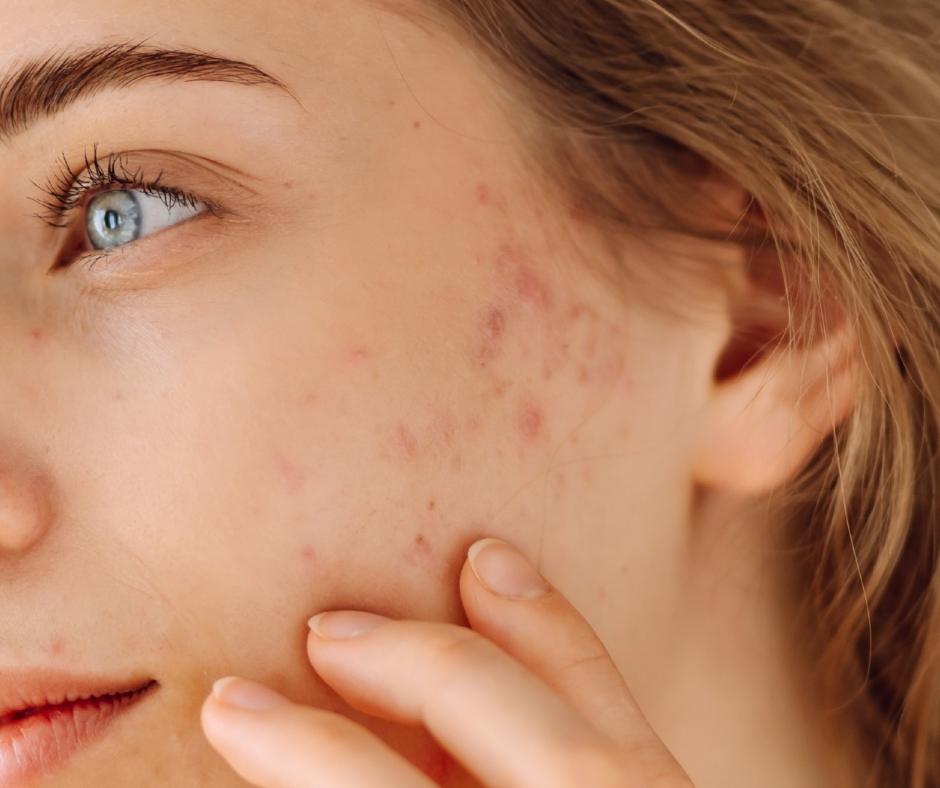
Do you know those days when you look in the mirror in the morning and your skin simply does not look the way you want it to, small spots, blackheads or redness appear exactly when you could do without them. Blemishes on the face are frustrating, whether you are in your early 20s, in your 30s or in your 40s.
But blemishes do not happen by chance. They are a sign that your skin’s natural balance is out of sync. The good news, you can actively do something about it.
In short sebum, pores, barrier, inflammation
An effective routine combines gentle cleansing, a sensible choice of active ingredients, and consistent barrier support, so the skin does not dry out while also becoming oilier.
Types of blemishes and their causes
Facial blemishes can look very different, blackheads, spots, inflamed pustules or even acne. They often share similar underlying triggers.
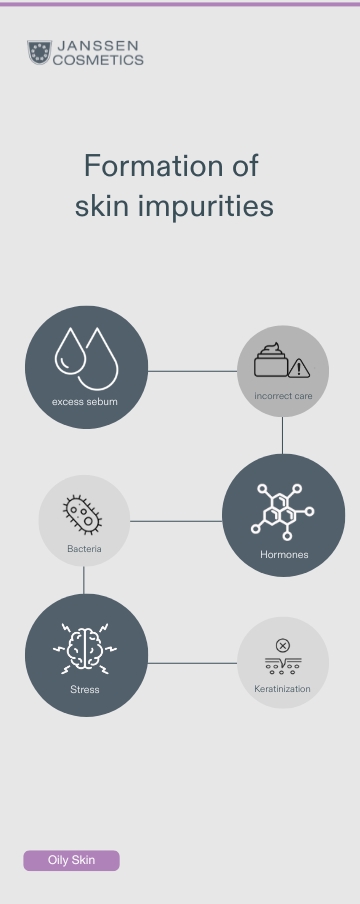
- excess sebum production: when the skin produces too much sebum, pores can become clogged
- abnormal shedding: dead skin cells are not shed properly and can block pores
- bacteria: bacteria can multiply in clogged pores, increasing the likelihood of inflammation
- hormonal fluctuations: often especially relevant in your 30s or 40s
- stress and lifestyle: lack of sleep, diet and mental strain can impact the complexion directly
- unsuitable products: overly rich or comedogenic formulas can worsen blemishes
Facts box Triggers
Typical triggers for blemish-prone skin include hormones, stress, unsuitable skincare, environmental factors and a weakened skin barrier.
Quick check OILY SKIN
- shine, congested pores, blackheads
- redness, pustules, tenderness
- tightness plus shine, barrier support is key
If you are unsure, a professional skin analysis in a Kosmetikinstitut can help, so active ingredients and textures truly match your skin.
Blemish-prone skin across different life stages
Blemish-prone skin does not look the same at every age. In each life stage, hormonal processes and skin needs change, and so do the requirements for effective skincare.
20+
Blemishes in your 20s
Hormones
In your 20s, blemish-prone skin is often largely hormone-related. Sebum glands are especially active and pores can clog more easily. Overly drying products can weaken the barrier and make blemishes worse over time.
30+
Blemishes in your 30s
Lifestyle
Stress, lack of sleep and hormonal changes can noticeably affect the complexion. The skin still produces sebum, but gradually loses moisture. Lightweight textures and clarifying actives are key now.
40+
Blemishes in your 40s
Barrier
In the lead-up to the menopause, skin often becomes drier and more sensitive, yet it can still be prone to congestion and blemishes. The focus shifts to barrier support and consistent hydration.
Regardless of age Skin type quiz
Blemish-prone skin is not a sign of poor skincare, it is a sign your skin needs support. When you adapt your routine to your life stage and take your skin’s needs seriously, you can reduce blemishes long term and visibly improve the complexion. To do that, it is essential to understand what your skin truly needs. In our skin type quiz you will learn what your skin really needs.
Blemish-prone skin in women and men
Blemish-prone skin affects women and men alike, but the underlying drivers can differ. Hormonal processes, sebum production and external factors often play a central role.
In women Hormones
In women, hormonal fluctuations are often a key driver. Cycle-related changes, pregnancy, stopping hormonal contraception, or hormonal shifts around the menopause can influence sebum production and contribute to facial blemishes. Spots often appear in the lower face, especially around the chin and jawline.
Chin and jawline Cycle-related
In men Sebum and shaving
Men’s skin is often thicker, more resilient and produces more sebum over time. Pores can appear larger and clog more quickly, which can contribute to blackheads, spots and inflamed blemishes. Daily shaving can also irritate the skin and weaken the barrier. A targeted routine that clarifies, soothes and hydrates is essential, tailored to the skin’s needs.
Enlarged pores Shaving irritation
Skincare for blemish-prone skin, how to build the right routine
A consistent, but gentle routine is the key to a clearer-looking complexion.
01
CLEANSING
Gentle cleansing
Cleanse your skin morning and evening, thoroughly but without stripping it. A mild cleanser removes excess sebum, impurities and make-up without damaging the skin barrier.
02
CLARIFY
Clarify and exfoliate
A peeling with salicylic acid or fruit acids helps loosen dead skin cells, clear pores and prevent blackheads. For blemish-prone skin, 1 to 2 times per week is ideal.
03
HYDRATE
Hydrate
Even blemish-prone skin needs hydration. Lightweight, non-comedogenic textures such as serums or fluids support the skin without feeling heavy.
04
PROTECT
Protection and regeneration
During the day, UV protection helps protect against inflammation and pigmentation marks, and the right care supports skin texture. At night, regenerating actives support skin renewal.
The 6 best active ingredients for blemish-prone skin
Certain ingredients are proven favourites in the care of blemish-prone facial skin.
High-quality cosmetics with these active ingredients are often among the best options for blemish-prone skin.
Professional tips
What to avoid if you have blemish-prone skin
It is not only the right skincare that shapes a clear-looking complexion, certain habits can also worsen blemish-prone skin without you realising. Often, it is well-intended actions that throw the skin off balance and encourage facial blemishes. When you know the most common mistakes and avoid them consistently, you support the skin in calming down and regenerating over time. Small changes in everyday life can make a noticeable difference. Avoid:
01
Harsh cleansers
Strong surfactants and over-washing can compromise the barrier and trigger rebound oiliness.
02
Squeezing spots
Increases the risk of inflammation, marks and scarring significantly.
03
Using too many products at once
Over-treating can overwhelm the skin and make blemishes worse.
04
Alcohol-based toners
Can dehydrate the skin and weaken its protective function over time.
05
Overly rich creams
Can clog pores and promote inflammation.
06
Skipping moisturiser
Without hydration, the skin may produce even more sebum as a compensatory response.
Remember
Less is often more. A streamlined, well-matched routine helps the skin return to balance and regenerate sustainably.
Which home remedies really help with blemish-prone skin?
Keep expectations realistic Short term
Home remedies such as clay masks, zinc ointment or tea tree oil can help in the short term. However, they do not replace a well-matched routine for blemish-prone skin, as they can often dry out or irritate the skin.
Practical tip, if you use home remedies, use them as a targeted treatment, for a short time, and always with the skin barrier in mind.
Treating blemish-prone skin properly, when should you see a dermatologist?
When medical support is sensible Guidance
Seeing a dermatologist is sensible if blemishes are very painful, become inflamed, or do not improve despite consistent skincare. Particularly with acne, medical treatment is often necessary from the outset.
In addition, a professional skin analysis in a Kosmetikinstitut can be worthwhile, to align skincare, active ingredients and textures properly.
Step by step to clearer-looking skin
Set realistic expectations Patience
Clearer-looking skin does not happen overnight. Patience, a consistent routine, a high-quality serum and hydrating creams with the right active ingredients matter. Listen to your skin’s needs, and give it time to regenerate.
stay consistent for 4 to 8 weeks less is often more prioritise barrier support